Training Program
MoDerm 2026 — Training Program
Sorbonne Université — Jussieu Campus, Paris
Venue and dates
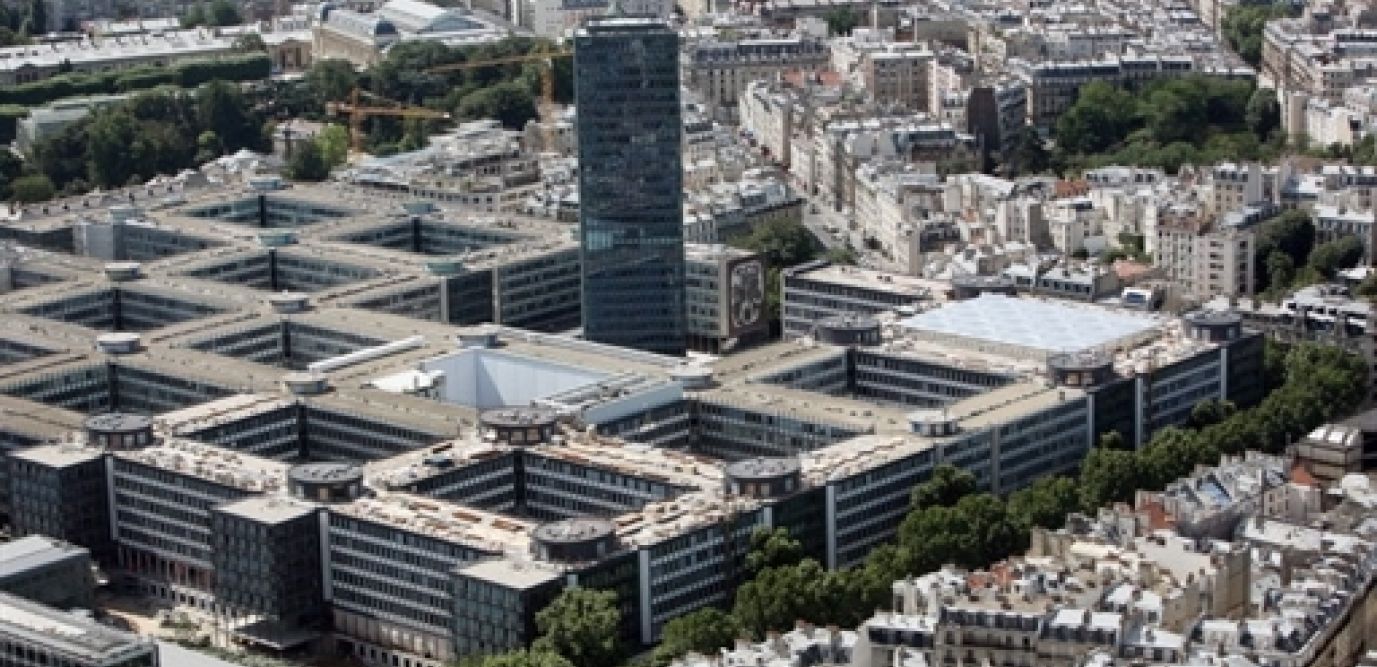
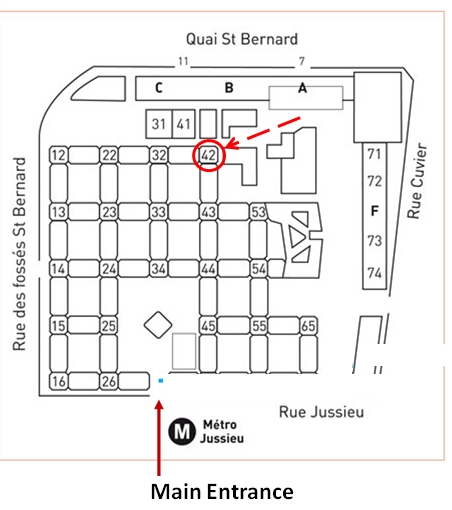
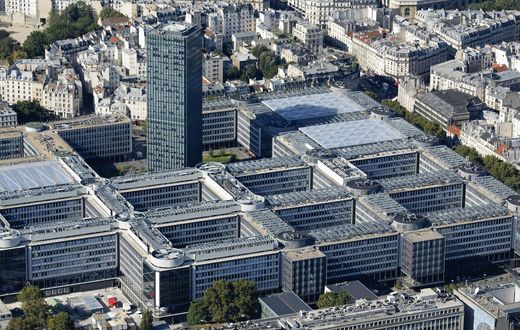
The school will take place on the Jussieu campus of the Faculty of Science and Engineering of Sorbonne University, 4 place Jussieu, 75005 Paris.
Metro station: Jussieu, line 7 or line 10.
Dates: Monday, June 29, 2026, 14:30 — Friday, July 3, 2026, 15:30.
Hands-on computer sessions
The training program will be divided into several hands-on computer sessions. All sessions will take place in parallel in two rooms located next to each other.
- Levisalles room
- Ficini room
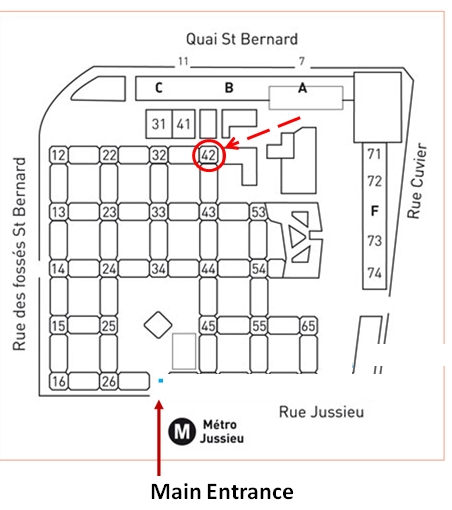
Both rooms are located in Tower 42, at basement level, in corridor 42–43.
After entering the campus, look for Tower 42, then take the stairs to reach the basement level.
Detailed Schedule
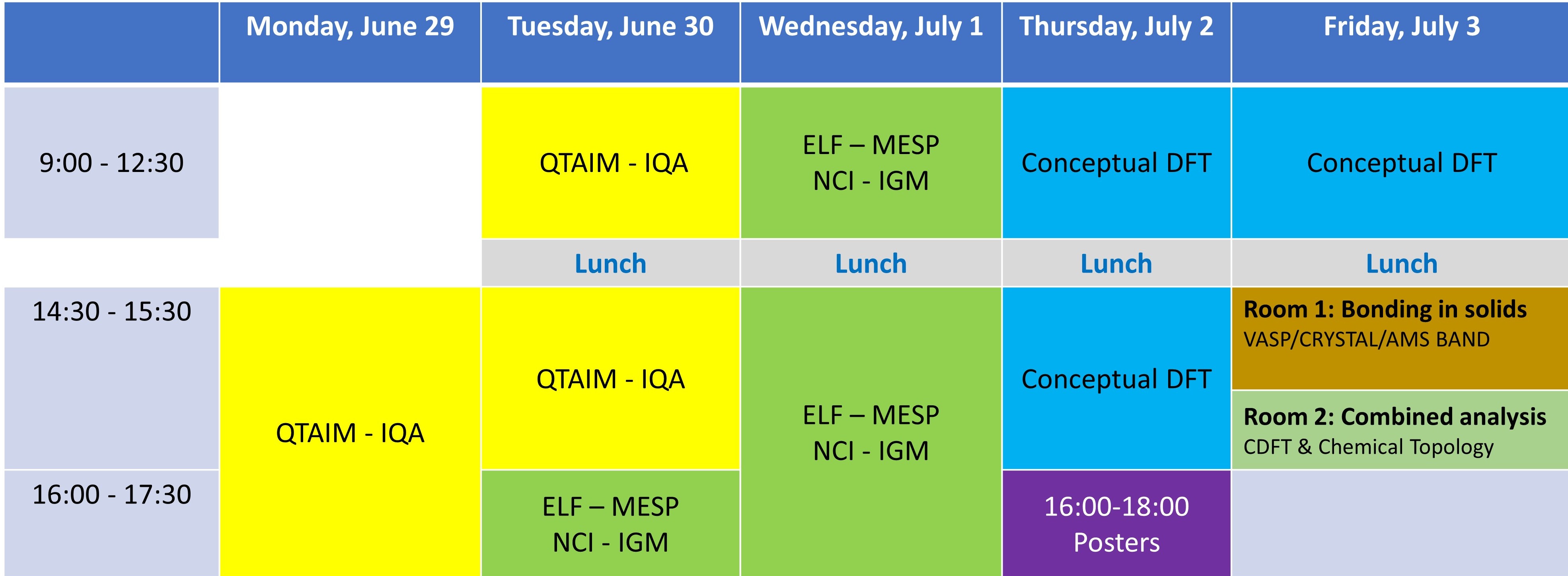
Coffee breaks with pastries will be scheduled every day at 10:30 and 15:30 just beside the session rooms.
| Time | Session | Speaker / Location |
|---|
| Monday, 29 June |
| 14:15 |
Registration |
Levisalles and Ficini Rooms. Basement of Tower 42, corridor 42–43 |
| 14:30 |
Welcoming |
Julien Pilmé |
| 14:40–15:30 |
QTAIM & IQA approaches |
Laurent Joubert and Vincent Tognetti |
| 15:30 |
Coffee break |
|
| 16:00–17:30 |
Hands-on session: QTAIM–IQA |
|
| Tuesday, 30 June |
| 09:00–10:30 |
Hands-on session: QTAIM–IQA |
|
| 10:30 |
Coffee break |
|
| 11:00–12:30 |
Hands-on session: QTAIM–IQA |
|
| 12:30–14:30 |
Lunch break |
Brasserie L'Ardoise |
| 14:30–15:30 |
Hands-on session: QTAIM–IQA |
|
| 15:30 |
Coffee break |
|
| 16:00–16:45 |
ELF and MESP approaches |
Julien Pilmé |
| 16:45–17:30 |
Hands-on session: ELF–MESP |
|
| Wednesday, 1 July |
| 09:00–10:30 |
Hands-on session: ELF–MESP |
|
| 10:30 |
Coffee break |
|
| 11:00–12:30 |
Hands-on session: ELF–MESP |
|
| 12:30–14:30 |
Lunch break |
Brasserie L'Ardoise |
| 14:30–15:15 |
NCI and IGM approaches |
Vanessa Labet and Eric Hénon |
| 15:15 |
Coffee break |
|
| 15:30–17:30 |
Hands-on session: NCI–IGM |
|
| Thursday, 2 July |
| 9:00–10:30 |
Hands-on session: Conceptual DFT |
|
| 10:30 |
Coffee break |
|
| 11:00–12:30 |
Hands-on session: Conceptual DFT |
|
| 12:30–14:30 |
Lunch break |
Brasserie L'Ardoise |
| 14:30–15:30 |
Hands-on session: Conceptual DFT |
|
| 15:30 |
Coffee break |
|
| 16:00–18:00 |
Poster session with Refreshments |
On Campus - Between Towers 32 and 42 |
| Friday, 3 July |
| 09:00–10:30 |
Hands-on session: Conceptual DFT |
|
| 10:30 |
Coffee break |
|
| 11:00–12:30 |
Hands-on session: Conceptual DFT |
|
| 12:30–14:00 |
Lunch break |
Brasserie L'Ardoise |
| 14:00–15:30 |
Room Levisalles : Combined ELF & CDFT analyses |
|
| 14:00–15:30 |
Room Ficini : Analysis of solid-state systems |
|
Poster session — Thursday, July 2
If you wish to present or discuss any aspect of your work related to chemical bonding analysis, chemical reactivity prediction, or, more broadly, molecular interactions, you may submit an abstract for a poster to be presented on Thursday, July 2.
Note: For those who would like to present a poster during the session on Thursday, July 2, from 4:00 to 6:00 p.m, send us your abstract by June 12. Abstracts should not exceed one page and sent as a PDF file to the following email addresses: emilie-laure.zins@sorbonne-universite.fr and julien.pilme@sorbonne-universite.fr
Prerequisites and software
 |
Prior knowledge of quantum chemistry and its practical use through standard software, such as Gaussian, is strongly recommended. Nevertheless, a reminder document covering the theoretical foundations and basic Linux usage will be sent electronically to the participants before the training.
Four software packages will mainly be used during the training.
Gaussian https://gaussian.com/
Gaussian is a widely used commercial research software package in quantum chemistry, offering a broad range of computational methods.
ADF https://www.scm.com/doc/ADF/
ADF is a general-purpose quantum chemistry software package that enables direct analyses of molecular interactions, in particular using the QTAIM/IQA approach and conceptual DFT descriptors.
TopChem2 https://www.lct.jussieu.fr/pagesperso/pilme/topchempage.html
TopChem2 is a software package for analyzing molecular interactions using topological approaches and conceptual DFT. It is developed at the Laboratoire de Chimie Théorique at Sorbonne University. It is free, and its license permits use for teaching and research activities.
IGMPlot http://igmplot.univ-reims.fr/
IGMPlot is a code using either promolecular or quantum-mechanical density with the IGM-δg index to detect and visualize interactions.
|
|